Italy’s Most Atmospheric Cities for a Refined Stay
Atmosphere as a Criterion of Selection
The notion of atmosphere, though elusive, remains central to the evaluation of place, particularly in a country such as Italy, where historical continuity and spatial composition intersect with unusual intensity. For the discerning traveler, the choice of destination is not governed solely by the presence of monuments, but by the coherence of experience a city can sustain over time. Atmosphere emerges from the interplay between architecture, light, sound, and social rhythm; it is neither static nor reducible to a checklist of attractions. Italian cities, shaped by layered histories and enduring local identities, offer a range of such environments, each capable of supporting a refined and deliberate mode of stay.
Rome: Monumentality and Intimacy
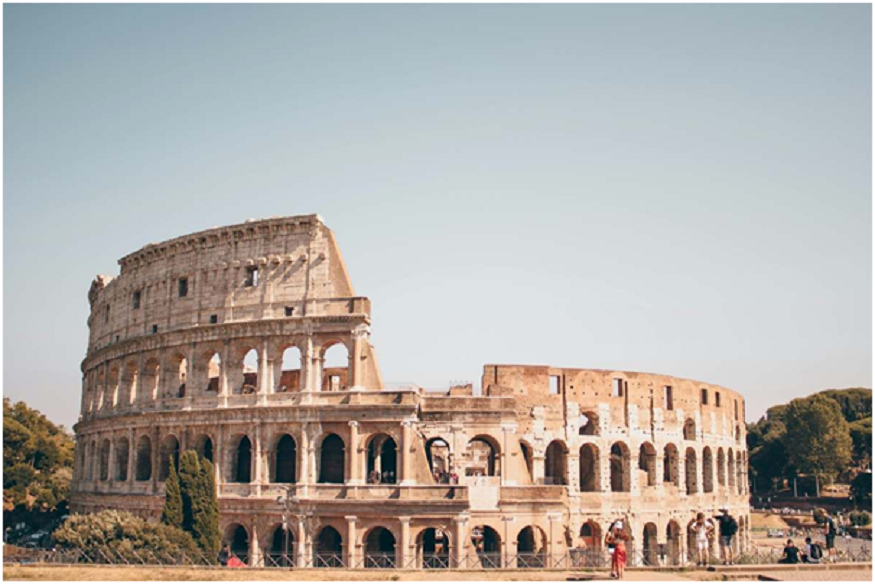
Rome presents a paradoxical unity of scale and detail. Its monumental fabric—ancient ruins, baroque churches, and expansive piazzas—coexists with a dense network of streets where daily life unfolds with remarkable continuity. The experience of the city depends less on isolated visits to major sites than on the transitions between them: the gradual shift from shadowed alleyways to open squares, the juxtaposition of antiquity and modern habitation. The possibility of a luxury escape in Rome is not defined merely by accommodation standards, but by the capacity to inhabit this layered environment without interruption. Proximity to both historical landmarks and quieter districts allows for a rhythm that alternates between observation and participation, reinforcing the city’s atmospheric complexity.
Venice: Fragility and Immersion
Venice offers a distinct form of atmospheric intensity, rooted in its physical and perceptual isolation. The absence of conventional urban infrastructure—roads, vehicles, and modern spatial logic—creates a city experienced primarily through movement on foot and water. Its architectural continuity, combined with the reflective qualities of the lagoon, produces a mutable environment in which light and sound are constantly reconfigured. A refined stay in Venice depends on the ability to move beyond the central axes of tourism and engage with its less frequented sestieri, where the pace of life is slower and the relationship between residents and environment remains more apparent. In such settings, atmosphere is not an aesthetic abstraction but a lived condition.
Read More: HOW TO CHOOSE THE BEST DESERT SAFARI IN DUBAI?
Florence: Proportion and Cultural Density
Florence is often approached through the lens of its artistic heritage, yet its atmospheric qualities extend beyond individual masterpieces. The city’s scale—compact yet richly articulated—supports a form of immersion that is both intellectual and sensory. Streets, façades, and public spaces adhere to a proportional logic that reflects Renaissance principles while accommodating contemporary life. This balance creates an environment in which movement is continuous and legible, allowing the traveler to perceive connections between sites rather than encountering them as isolated entities. The resulting experience is one of coherence, where cultural density does not overwhelm but instead reinforces the city’s structural clarity.
Secondary Cities and the Extension of Refinement
Beyond the primary urban centers, a number of smaller cities offer equally compelling atmospheric conditions, often with greater immediacy and less mediation. Cities such as Lucca, Parma, and Lecce exemplify this phenomenon. Their scale permits a closer relationship between visitor and environment, while their historical integrity remains largely intact. In these contexts, refinement is expressed not through spectacle but through continuity: the persistence of local practices, the integration of architectural heritage into daily use, and the absence of excessive formalization. Moreover, it is worth noting that the Italian national parks are some of the best food destinations in a nation famous for its cuisine, a reminder that atmospheric experience in Italy often extends beyond urban boundaries into landscapes where culinary and environmental traditions intersect.
The Temporal Dimension of a Refined Stay
A defining characteristic of atmospheric cities is their resistance to rapid consumption. They require time not only to be observed but to be understood. A refined stay, therefore, is structured less by the number of locations visited than by the duration and quality of engagement within a single environment. Repetition—returning to the same streets, observing shifts in light and activity—reveals patterns that are otherwise imperceptible. This temporal dimension transforms travel from an act of acquisition into one of interpretation, aligning the visitor’s experience with the intrinsic rhythm of the place.
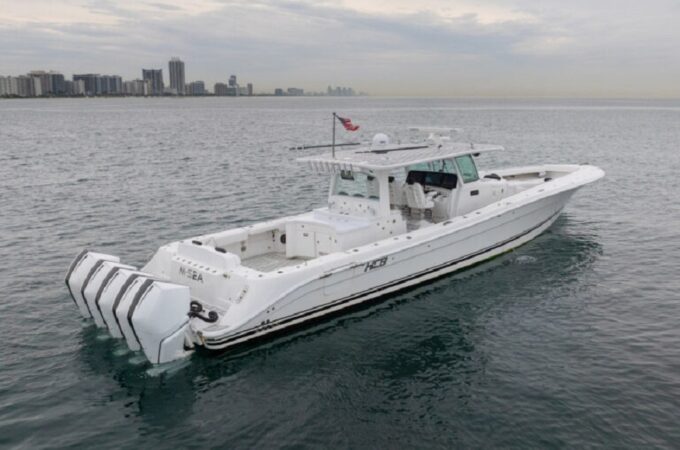
Read More: TWO TERRIFIC PRE-OWNED HCB YACHTS FOR SALE
Toward a Deliberate Engagement with Place
Italy’s most atmospheric cities do not assert their value through immediacy alone. Their significance unfolds through sustained attention, revealing layers of meaning that resist simplification. For the well-informed traveler, the selection of such destinations represents a commitment to depth rather than breadth, to coherence rather than accumulation. In this framework, refinement is not a function of exclusivity, but of perception—an ability to engage with place in a manner that is both precise and receptive to its inherent complexity.